


SIGMA Programme: Second call sees growing interest from researchers
The J. Heyrovský Institute of Physical Chemistry of the CAS continues with the SIGMA Programme, aimed at supporting the commercialization of scientific discoveries and the implementation of Proof of Concept (PoC) projects. Following the success of the first round, the second internal call of the programme—funded by the Technology Agency of the Czech Republic (TAČR)—has been announced. Once again, it offers scientists the opportunity to validate their research results and move them closer to real-world applications.
Compared to the first round, interest has grown significantly. A total of 13 projects with strong application potential were submitted. All submitted projects underwent thorough evaluation by the Commercialization Board, composed primarily of representatives from the commercial and applied research sectors. The evaluation focused on technological uniqueness, market potential, and the feasibility of successful commercialization.
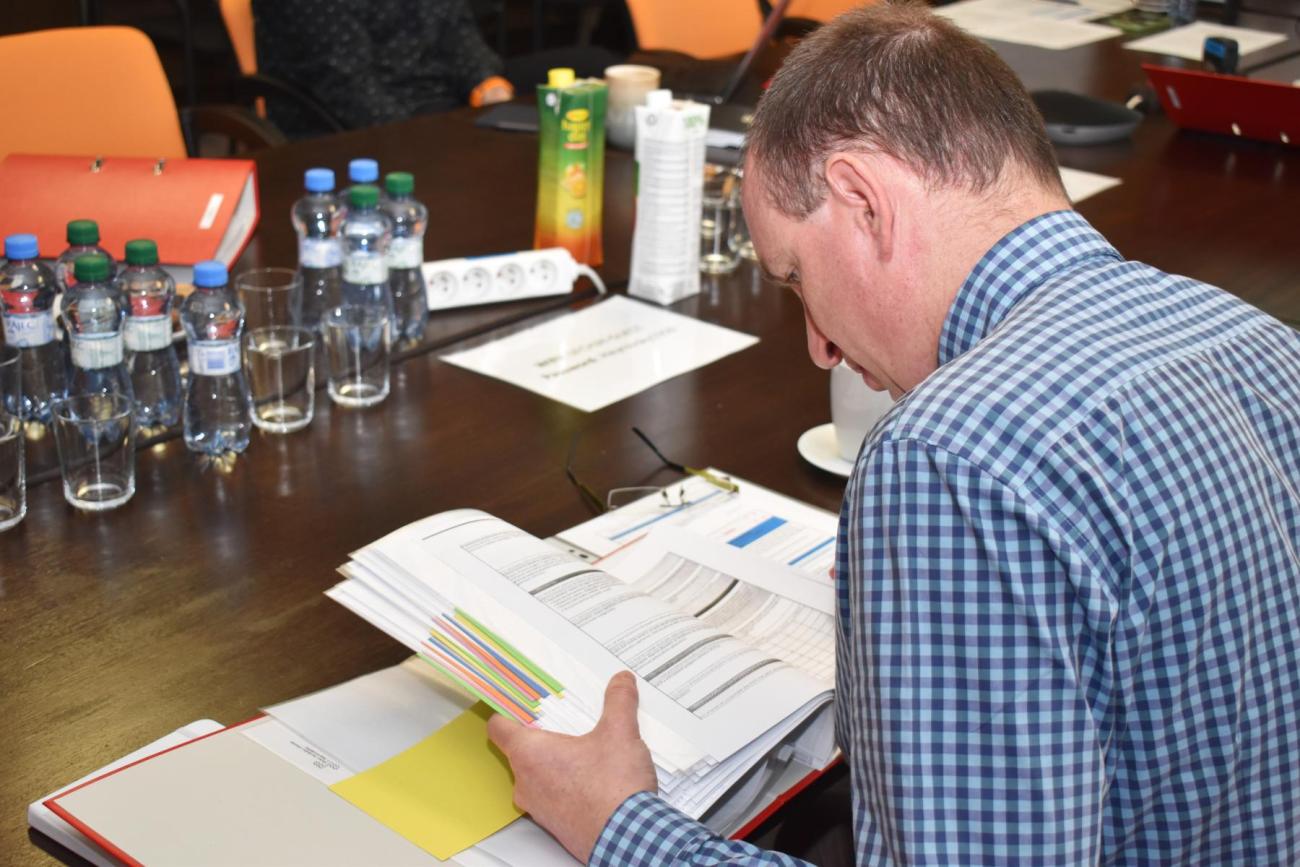
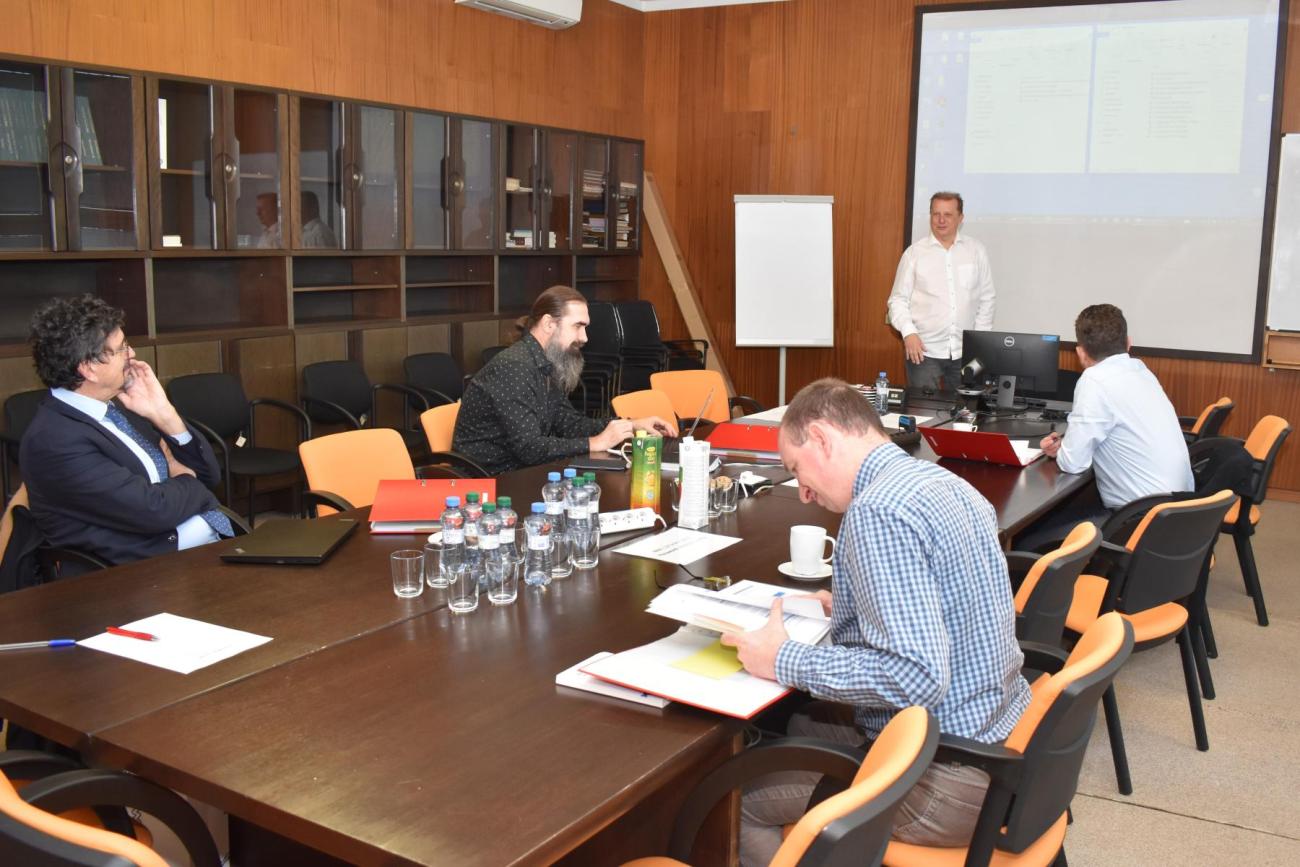
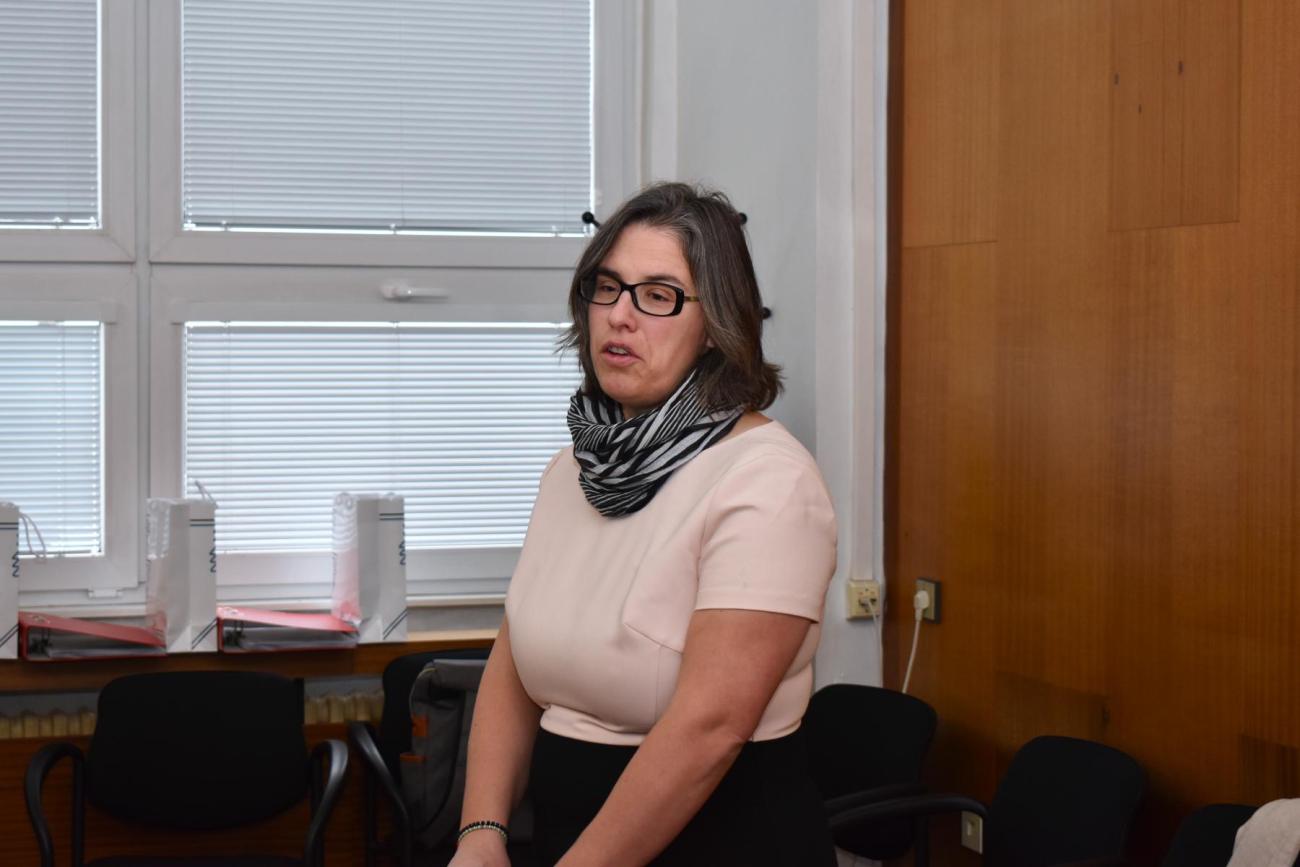
Project presentations to the Commercialization board
As part of the evaluation process, applicants presented their projects in person before the Commercialization Board on 25 November. In five minutes, they had to outline the essence of their technology, its challenges, and future potential. The following ten minutes were dedicated to direct dialogue between researchers and industry experts. “This interaction is essential for the effective transfer of scientific knowledge to real-world applications and provides researchers with invaluable feedback,” said Jiří Trnka, Head of the Heyrovský Technology Transfer Centre.
Supported projects confirm the quality of the Institute's research
The supported projects from the second round of the SIGMA Programme once again confirm the high quality of research at the J. Heyrovský Institute and its long-standing ambition to actively contribute to innovations with real societal and economic impact. The supported technologies range from biological applications to improvements in instrumentation with potential uses in laboratories around the world – and even in space.
The top-rated project was submitted by Dr. Harrison, aiming to create a new type of antibody suitable for fluorescent labelling, e.g., in microscopy.
Here is an overview of the winning projects:
Prototype product: novel fluorophore conjugated antibody for fluorescence applications (Carl Lee Harrison)
Lipid nanoaggregates for testing implant biocompatibility (Lukasz Cwiklik)
SQF-MPs: Supramolecular Quenching/Fluorescence Molecular Probes (Volodymyr Malynovskyy)
High-aperture UV objective for remote sensing (Martin Ferus)
Building compact electronics and instruments for laboratories (Pamir Nag)
These selected projects have the potential to significantly contribute to the development of various industrial sectors. Their implementation will take place in 2026.
The Heyrovský Technology Transfer Centre plans to announce another project call in autumn 2026.